


As commercial trucking remains a backbone of the American supply chain, the rise of dash cam technology is making a profound difference in how truck accidents are investigated and litigated. Recording the road ahead, dash cams serve as third-party witnesses that help both drivers and companies navigate complex legal disputes. For individuals affected by trucking accidents, a Jonesboro truck accident attorney can leverage dash cam footage to support claims or defenses in litigation, strengthening their client’s position tremendously. Moreover, fleets and individual operators are increasingly aware that dash cam footage can be the dividing line between a fair outcome and an unjust penalty.
Dash cams are revolutionizing the way evidence is collected after an accident. Not only do these cameras help clarify the exact series of events leading up to an incident, but they also support the determination of fault with a level of objectivity unattainable through traditional testimony alone. As their use becomes more widespread in both personal and commercial vehicles, the legal landscape is evolving to address new standards for evidence, risk management, and privacy considerations.
Dash Cams as Crucial Evidence Collectors
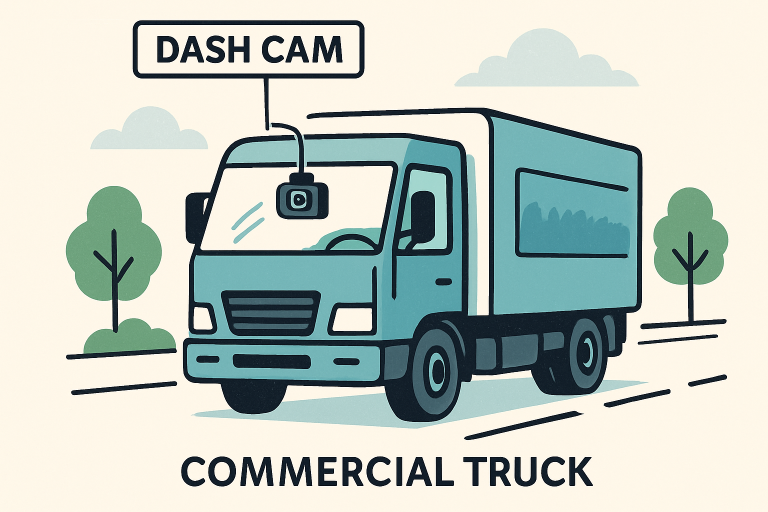
Dash cams excel at capturing real-time, unfiltered footage of the road, making them vital for reconstructing collisions. Video from these cameras enables investigators and attorneys to track the actions of both truck drivers and other drivers on the road, assess traffic signals, and evaluate external conditions such as weather and signage visibility. According to an analysis by Forbes, the adoption of AI-powered dash cams in commercial vehicles has significantly improved transparency and accountability across the industry.
Another advantage is the ability to integrate dash cam video with telematics data, which logs speed, braking, and location data. This combination can be indispensable during accident investigations, presenting a comprehensive overview of events. Video evidence also relieves drivers of the burden to recall details under the stress or trauma of an accident.
Exonerating Drivers with Clear Footage
In truck accident disputes, dashcam footage often serves as the cornerstone in clearing a driver of blame. Courts and insurance adjusters give weight to clear, objective evidence when reviewing claims. For example, there have been numerous cases in which commercial drivers were initially blamed, only to have video later exonerate them by revealing other motorists’ reckless or unlawful maneuvers.
Moreover, dash cams provide vital protection against false accusations. If a truck is wrongly accused of running a red light or changing lanes without warning, dash cam footage can stop a legal battle before it begins, reducing unnecessary financial and reputational harm for professional drivers and companies alike.
Preventing Fraudulent Claims
Truck accident claims sometimes involve fraud, including staged crashes and exaggerated injuries. Dash cams are a powerful deterrent to these practices. The visual and time-stamped documentation they provide is rarely debatable, making it extremely difficult for dishonest parties to manipulate the narrative or outcomes during investigations. As Forbes noted, the mere presence of dash cams can deter would-be fraudsters from targeting commercial trucks.
Insurance Implications and Premium Reductions
Insurance providers increasingly recognize the value of dash cams for accident resolution and risk assessment. Claims supported by high-quality video evidence are resolved more quickly, reducing administrative costs and, in many cases, resulting in lower premiums for fleet operators. Many insurers now offer special discounts or preferred rates to policyholders who require or encourage dash cam use among their drivers because these devices lower the risk of contested claims and expensive settlements.
Legal Strategies for Dash Cam Footage
Despite their advantages, dash cams must be managed with a sound legal strategy in mind. It is important for employers and drivers to consult with legal counsel before disclosing footage to third parties or authorities. Premature or inappropriate sharing could affect liability or allow opposing parties to review and respond to the evidence before the defense is fully prepared. Robust internal policies help companies appropriately store, access, and utilize footage in accordance with evolving regulations and privacy considerations.
Addressing Privacy Concerns
There is increasing public scrutiny about the use of surveillance technology, including dash cams, especially when individuals are recorded without their explicit consent. Trucking companies must navigate these concerns by ensuring their use of cameras complies with regional, state, and federal privacy laws. Being transparent with employees, customers, and the public about the existence and purpose of dash cams builds trust and can help prevent disputes over data misuse. Companies should also implement clear data retention and access protocols for recorded footage.
Future Trends in Dash Cam Technology
The dash cam industry is rapidly evolving. Emerging features such as artificial intelligence-based risk detection, automated cloud uploads, and integration with fleet telematics systems are making cameras even more effective tools for risk management. Real-time incident alerts and advanced analytics promise to further support drivers and legal teams, ensuring that critical evidence is preserved the moment a collision occurs. As adoption grows, these technologies could set new standards not only for commercial trucking but also for private vehicles.
Conclusion
Dash cams have transformed the approach to truck accident litigation by providing indisputable, objective evidence that strengthens claims of innocence, deters fraudulent activity, and impacts how insurance companies handle risk and compensation. As the technology advances, legal professionals and trucking companies alike must remain proactive about managing footage, respecting privacy, and leveraging the latest innovations to protect their drivers and operations.