

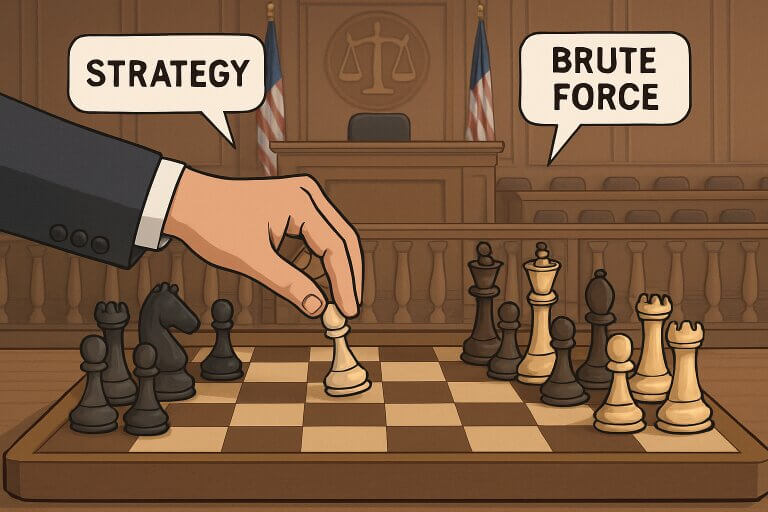
When facing criminal charges, many defendants, and even some attorneys, believe an aggressive approach is the best way to secure a favorable outcome. However, true success in the courtroom comes from strategic aggression, not just relentless confrontation. The careful balance between assertiveness and calculated legal decision-making is the best defense, especially for those seeking criminal defense representation in Marietta. Understanding the difference between pure and strategic aggression can profoundly impact the outcome of a criminal case.
Pursuing pure aggression without considering the unique aspects of each case can be perilous. Strategic aggression, on the other hand, involves thoughtful planning, understanding both the law and courtroom dynamics, and making well-timed moves that maximize your client’s chance of success. This article explores why strategic aggression should be prioritized in every criminal defense.
Understanding Pure Aggression in Criminal Defense
Pure aggression in the courtroom manifests as a relentless, attack-oriented style that focuses on disrupting the prosecution’s efforts without regard for the bigger picture. This ‘bulldog’ mentality may seem compelling to some defendants who want their attorney to “fight hard,” but it often alienates judges and juries. It can also lead to a loss of credibility, especially if irrelevant points or unfounded accusations are raised in the heat of battle. Legal experts consistently point out that noise without substance rarely benefits a defendant.
What is Strategic Aggression?
Strategic aggression, by contrast, is an approach rooted in preparation and selective confrontation. It relies on knowing when to push back and when to negotiate, leveraging every available legal tool, precedent, and fact. This method focuses on creating opportunities for the client rather than simply opposing the prosecution at every turn. Strategic aggression insists on using deep knowledge of the law and creative tactics to control the flow of the trial and influence outcomes.
Risks Associated With Pure Aggression
Without a proper strategy, aggressive tactics can lead to unintended consequences. Examples include alienating judges, provoking the prosecution to retaliate with harsher measures, or undermining potential plea deals. In some instances, an overly aggressive stance can even weaken trust between the defendant and the court. Legal publications have reported that unnecessarily combative approaches frequently fail to yield sustainable results.
Benefits of Strategic Aggression
Strategic aggression grants flexibility and responsiveness. By customizing each move to fit the evolving circumstances, attorneys can maintain credibility and foster essential relationships. It allows for thoughtful evidence presentation and smart witness examination, opening the door to favorable plea discussions or dismissals. This approach improves the chances of securing reduced charges or acquittals because each action is justified by its potential impact, not by the desire to appear tough.
Key Elements of a Strategic Defense Approach
- Preparation: Intensive research and case-building to understand the facts from every angle.
- Timing: Knowing the right moment to press an argument or withhold certain information.
- Evidence Management: Identifying and presenting evidence with the greatest effect.
- Negotiation Skills: Encouraging plea deals or alternative resolutions when they serve the client’s interests.
- Credible Communication: Presenting arguments professionally and persuasively to judges and juries.
Examples and Impact of Strategic Aggression in Practice
Consider a case in which the prosecution overlooks a technical defense. Instead of responding to every accusation, a strategic attorney highlights the most compelling legal flaws, making a surgical strike against the weakest part of the prosecution’s case. In another example, withholding a critical cross-examination until the right witness is called can change the entire dynamic of the proceedings. These targeted tactics protect the client’s interests without sacrificing credibility.
Finding the Right Attorney For Your Case
Not every attorney is equipped to employ strategic aggression. When researching representation, look for lawyers who demonstrate a history of crafting thoughtful, customized defenses. Effective legal professionals communicate clearly, prioritize their clients’ needs, and respond to shifting courtroom realities with poise. Client testimonials and professional reputations can help you evaluate these qualities, ensuring you choose counsel that values effective strategy over empty bravado.
The Case for Strategic Aggression
Pure aggression in criminal defense often fails to secure the desired outcome and can even increase the defendant’s risks. In contrast, strategic aggression marked by careful planning, thoughtful confrontation, and creative legal maneuvers offers a stronger path toward a favorable resolution.
Whether you are seeking legal help for yourself or advising a loved one, prioritize attorneys who understand the value of strategy. This commitment will make the difference between simply fighting and truly defending your rights in court.