


When it comes to protecting your home, one of the most crucial investments is ensuring your roof is both functional and durable. However, many homeowners worry about the expense of repairs or replacements. Fortunately, there are cost-effective methods to maintain a top-quality roof, whether you’re addressing minor repairs, considering new materials, or evaluating energy efficiency. For homeowners in southern climates, exploring specific options like clay roofing tiles Miami, FL can also lead to both durable and affordable solutions tailored to regional needs.
A sturdy roof guards your home against weather and wear, but it doesn’t need to be a source of financial stress. By investing in regular inspections, understanding your material choices, and utilizing affordable financing options, you can protect your investment and save money. The variety of roofing materials and local suppliers makes it easier for homeowners to find solutions compatible with their budget and climate. Whether you live in a hurricane-prone area or face seasonal storms, adapting your approach to roof care can make a significant financial difference.
Choosing a cost-effective roof is about more than just the initial price. Consider factors such as longevity, maintenance requirements, and long-term efficiency. Taking proactive steps—such as scheduling regular checkups and understanding insurance options—can significantly reduce future costs. Another advantage is the rise in available financing plans, making it more accessible for homeowners to fund essential upgrades or replacements while maintaining financial stability.
Regular Maintenance: A Preventive Approach
Routine inspections and upkeep are among the most effective ways to extend your roof’s lifespan and avoid expensive repairs. Homeowners should perform bi-annual checks—particularly after heavy storms—to catch minor issues, such as missing shingles or small leaks, before they escalate. Even straightforward tasks, such as cleaning gutters and clearing debris, protect the roofing structure against water damage and rot. Making these checks part of your home care routine ensures that you’re never caught off guard by surprise repairs or weather-related issues.
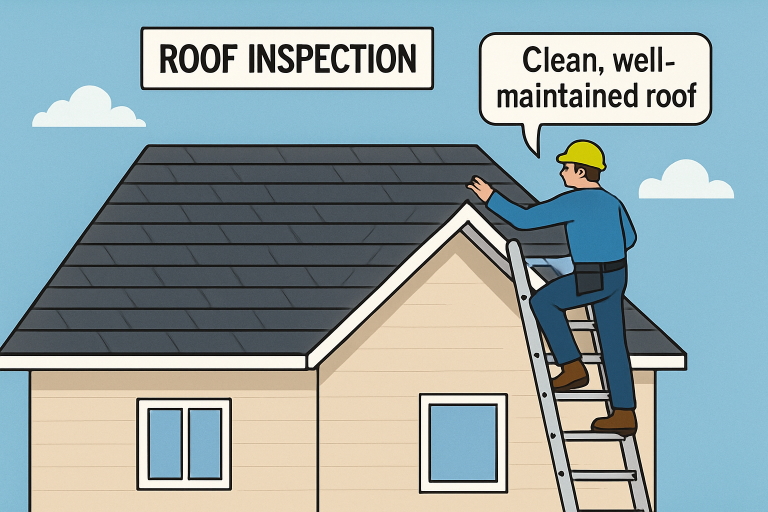
Professional roof assessments can be especially valuable, as experts are trained to spot potential weaknesses that an untrained eye might miss. Documentation from these inspections may also help validate insurance claims in the event of damage, making them a worthwhile investment.
Choosing Cost-Effective Materials
Price, durability, and climate suitability are key factors to consider when selecting roofing materials. Asphalt shingles remain the most popular and affordable residential option due to their low initial price and ease of installation. However, newer composite shingles, metal roofing, and clay tiles are gaining traction thanks to their longer lifespans and energy efficiency. For example, asphalt is ideal for temperate climates, whereas metal or clay tiles can withstand heat and high winds—a practical solution for many Miami residents.
Exploring Financing Options
For those facing major repairs or a complete replacement, financing plans can reduce the immediate financial burden. Many reputable roofing companies now offer installment plans or special financing options, starting at low monthly payments, which eases the process for homeowners who may not have the cash upfront. This flexibility means critical repairs or upgrades don’t have to be delayed, potentially avoiding much greater expenses from deferred maintenance. Always compare terms from several providers and ask about incentives or promotions that could make your new roof even more affordable.
Energy-Efficient Choices
Energy-efficient roofing materials help lower cooling costs and reduce your environmental footprint. Metal roofs, for example, reflect sunlight and prevent excessive heat absorption, keeping homes cooler in summer. Some products also come with additional insulation or solar-compatible designs, further improving energy savings. Many municipalities and utility companies offer rebates or tax credits for energy-efficient upgrades, so be sure to check local programs to maximize your benefits.
DIY vs. Professional Services
While handy homeowners can tackle tasks such as shingle replacement or cleaning, it’s important to recognize your limits. Advanced or structural repairs are best left to licensed contractors who can ensure work meets code requirements and maintains warranties. Attempting significant repairs on your own risks both personal safety and increased costs due to mistakes. Research local professional options, compare reviews, and verify licensing to find trusted roofers who deliver quality service and peace of mind.
Seasonal Considerations
The time of year can significantly affect roofing costs and scheduling. Off-peak periods, typically late fall or winter, may offer discounts and faster service as demand is lower. However, your local climate should guide final material selection—shingles that are perfect for mild weather may not perform in extreme heat or severe storms. Consult local experts who understand the weather patterns in your area to determine the best time and material for your specific needs.
Understanding Insurance Coverage
Homeowner’s insurance may cover certain roofing repairs, especially those prompted by accidents, fire, or severe weather. Thoroughly review your policy to clarify what types of damage are included and what documentation is required for claims. Prompt reporting and regular documentation of the roof’s condition can simplify the claims process when unexpected damage occurs, minimizing out-of-pocket costs during stressful situations.
Final Thoughts
Maintaining, repairing, or replacing your roof doesn’t have to strain your finances. By embracing regular maintenance, carefully evaluating material options, leveraging affordable financing, and making energy-smart choices, homeowners can protect their properties affordably. Consult trusted professionals, stay informed about current trends, and use local resources to make the best decisions for your home’s long-term safety and value.